Sourcing. Analysis. Verification.
A Process Built on Documentation
The Ridanto methodology begins before any ingredient enters the facility. It starts with supplier assessment and ends with an archived independent laboratory report. Each stage has a defined documentation output.
The methodology is not proprietary in the sense of secrecy — it is a systematic application of documented food-supplement sourcing and verification practice. What distinguishes the Ridanto approach is the requirement that every stage produces a retrievable record.
Ingredient profiles in Ridanto supplements are selected based on published nutritional research and undergo independent batch verification for quality and labelling accuracy.
Six-Stage Production Protocol
Supplier Assessment
Each supplier is evaluated before any ingredient is accepted. The evaluation covers: facility processing standards, origin documentation, existing certificates of composition, and audit trail availability. Suppliers who cannot provide a retrievable chain-of-custody record are not used regardless of price.
Intake and Lot Record
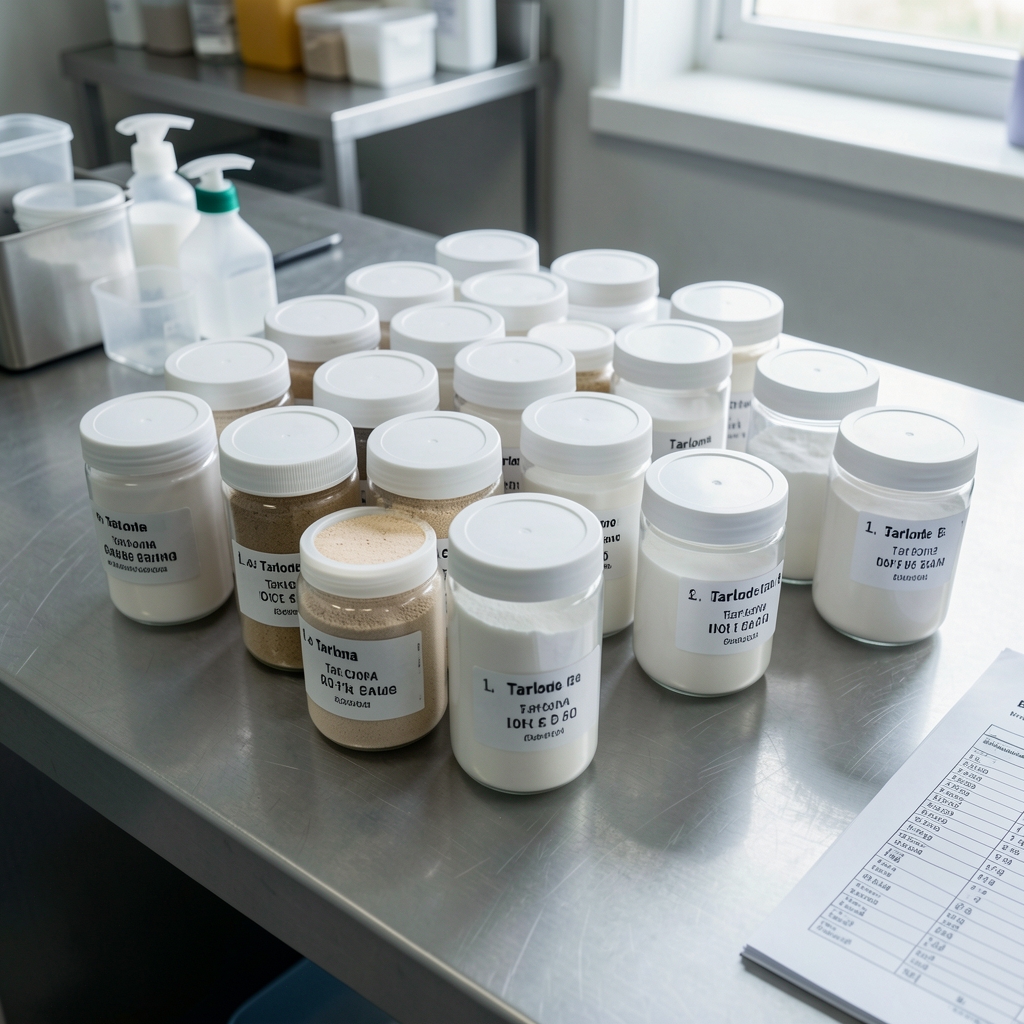
On arrival at the Jakarta facility, each ingredient consignment is assigned a lot record. The record includes: supplier name, origin region, date of intake, declared elemental profile, and the supplier-issued certificate of composition. Records are archived in the facility documentation system.
Elemental Profile Verification
A sample from each intake lot is checked against the declared elemental profile. The check uses dissolution-profile analysis and elemental concentration measurement. Ingredients where actual concentration deviates materially from the declared value are rejected and returned. The result of this check is entered into the lot record.
Encapsulation and Batch Coding
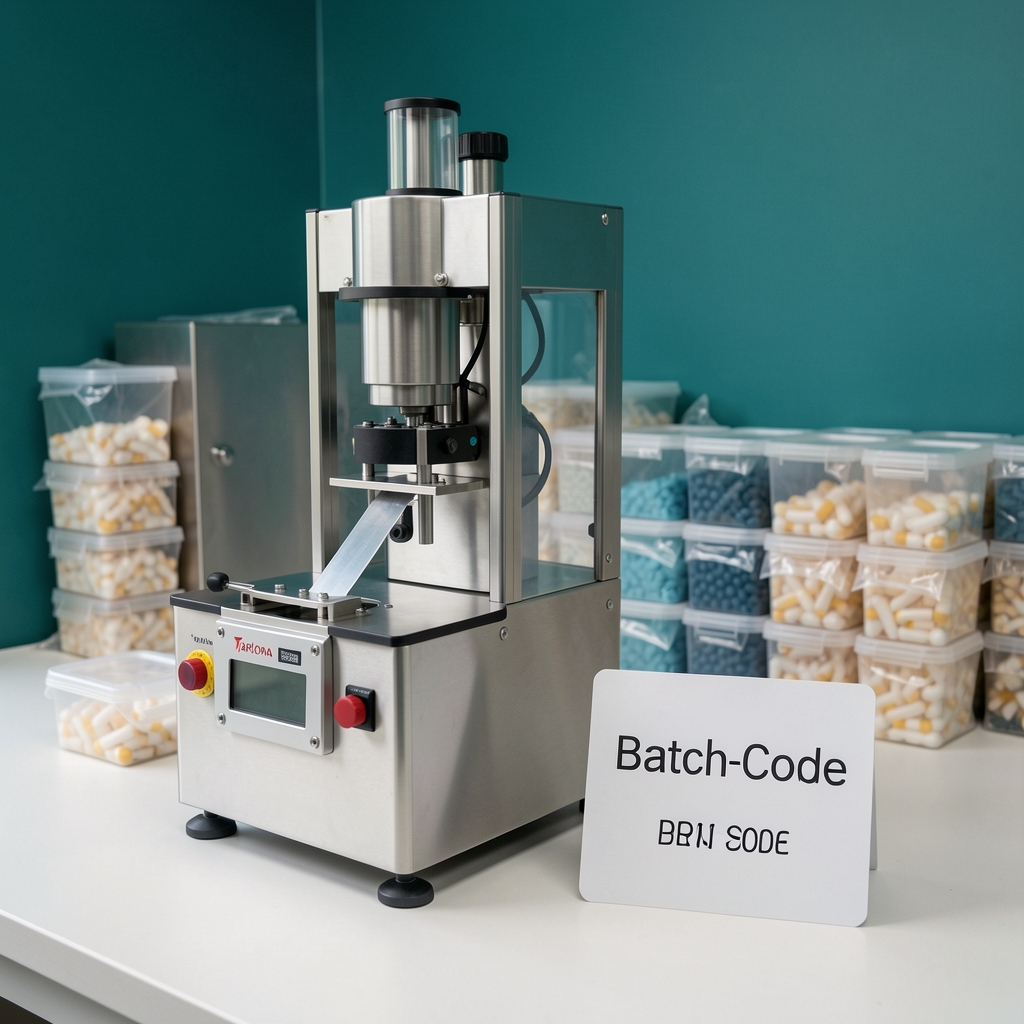
Approved ingredients proceed to encapsulation. The capsule shell is HPMC (hydroxypropyl methylcellulose) throughout the range, which is vegetarian-compatible. Each production run is assigned a batch code that references the ingredient lot records used. The batch code is printed on every container.
Independent Laboratory Analysis
A sealed sample from each production batch is submitted to an independent laboratory for analysis. The laboratory issues a labelling accuracy report confirming the elemental concentrations per serving against the declared values on the label. Batches where the report indicates a material discrepancy are not dispatched. The report is archived and is available on written request.
Archive and Dispatch
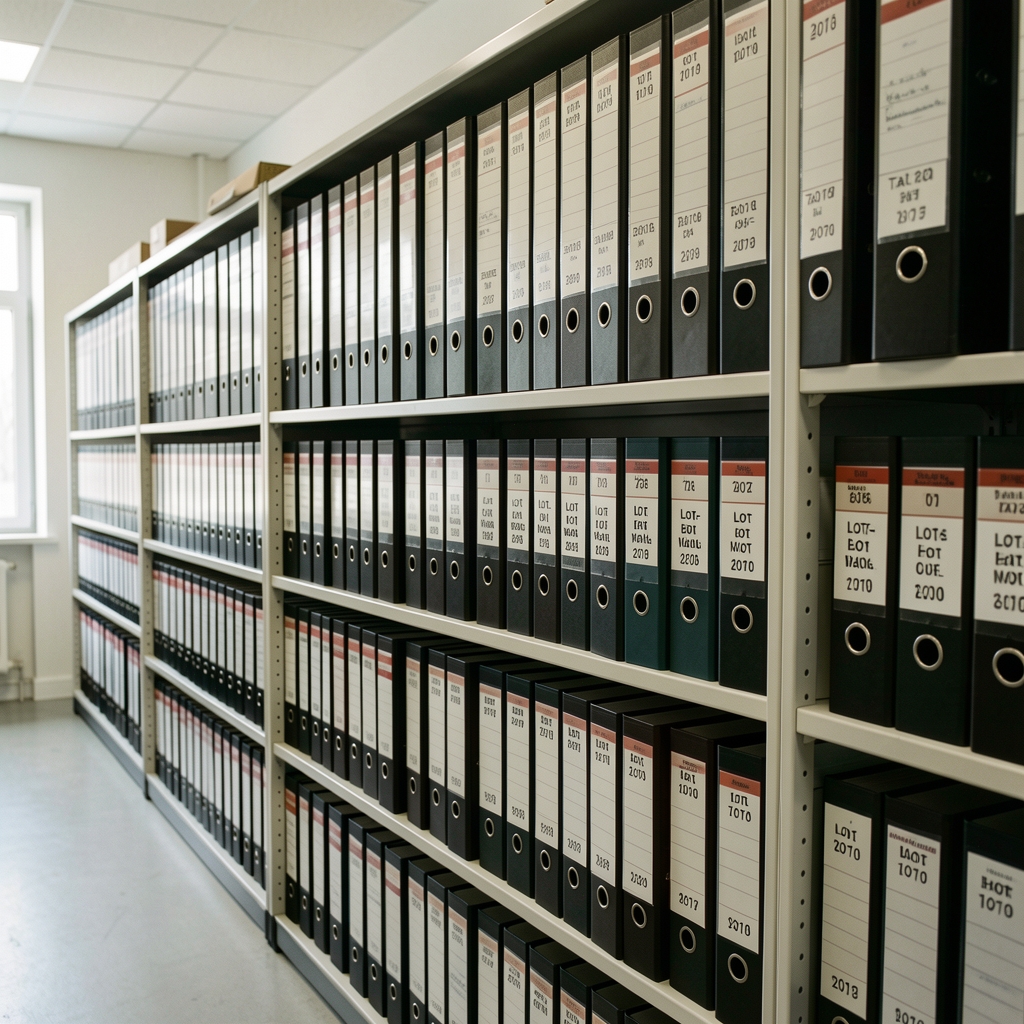
On receipt of a satisfactory independent laboratory report, the batch is cleared for dispatch. The complete documentation set — supplier certificates, lot records, elemental profile checks, and the laboratory report — is archived under the batch code. The archive is maintained for a minimum of five years from dispatch date.
Supplier Network Overview
The Ridanto ingredient network spans seven documented origin regions. Regional sourcing is driven by availability of verifiable chain-of-custody documentation, not proximity or price alone.
Active ingredients are sourced from documented suppliers, with each batch accompanied by a certificate of composition. Sourcing prioritises suppliers whose facilities maintain food-grade processing standards.

Quality Standards Applied
Ridanto products are nutritional food-supplements registered with the applicable local regulatory authority under food-supplement classification. Products meet compositional and labelling requirements for nutritional supplement categories.
The independent laboratory analysis applied to each batch is not an internal review. It is conducted by a third-party laboratory with no commercial relationship to Ridanto other than the analytical service. The laboratory issues a labelling accuracy report which forms part of the batch archive.
In the Facility
Methodology Enquiries
Ready to Review the Range?
Each formulation is the output of the process described here. View the full product range or contact the studio with specific enquiries.